Quick answer
Can Glaucoma be managed without surgery? is a common question in eye care. The safest answer depends on age, symptom timing, one-eye versus both-eye involvement, existing prescriptions, general medical history and the findings of a complete eye examination. This guide helps a patient understand the usual clinical approach. It is not a diagnosis and cannot replace an examination.
What is Glaucoma?
Glaucoma refers to an eye-health concern that can affect comfort, vision clarity, the optic nerve, eye alignment or the ability to perform daily tasks safely. Glaucoma assessment focuses on optic nerve health, eye pressure and changes over time. People often search online because the symptom may look simple at first. However, the same symptom can have different causes, so the doctor needs to identify what is actually happening before deciding on treatment.
Symptoms people may notice
Common symptoms can include often no symptoms early on, gradual side-vision change, blurred vision or, in an acute attack, severe eye pain, redness, halos, headache and nausea. Some eye conditions develop gradually and may not cause early warning signs. Others cause a sudden change that needs quicker assessment. During a consultation, it is useful to describe when the symptom started, whether it is constant or intermittent, whether one eye is worse, whether there is pain or redness, and whether the symptom affects reading, screen work, driving, school or night vision.
Why can it happen?
Possible contributors include a combination of pressure-related and non-pressure-related optic nerve vulnerability, family history, age, steroid exposure and eye anatomy. Not every person with a risk factor develops the condition, and not every symptom means the same diagnosis. The doctor considers family history, diabetes or hypertension, medicines including steroid use, previous eye injury or surgery, spectacle history, contact-lens use and examination findings before deciding what the symptom represents.
Risk factors worth discussing
Share any family history of eye disease, regular medicines, thyroid or neurological conditions, diabetes, blood-pressure issues, trauma, previous laser or eye surgery, pregnancy-related changes, smoking history, long screen use, contact-lens wear or a recent change in glasses. These details can change which tests are appropriate and how urgently care is needed.
How is it evaluated?
An eye consultation may include vision testing, refraction when required, slit-lamp examination, eye-pressure measurement, pupil assessment, dilated retinal examination and targeted tests. Visual field testing, optic nerve imaging, pressure measurement, angle assessment and serial comparison may be important. The exact tests are selected according to the complaint rather than done in the same way for every patient. This is why a personalised examination matters.
What are the treatment or management options?
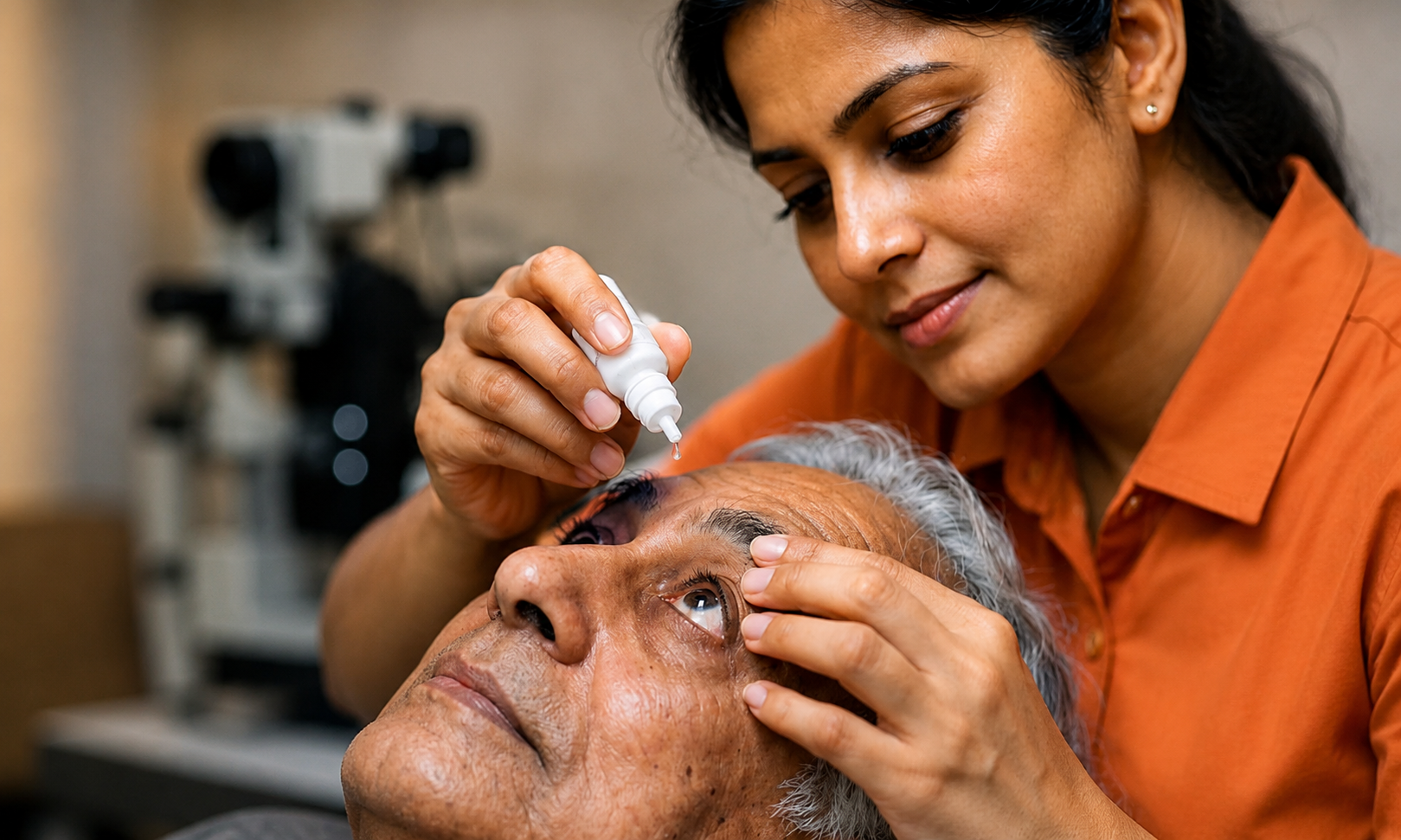
Management can include monitoring, prescribed eye drops, laser treatment or surgery counselling depending on the type and stage of glaucoma. Treatment may range from observation and monitoring to spectacles, medicines, procedures, surgery planning or referral to the appropriate sub-specialist. The safest option depends on diagnosis, stage, eye anatomy, lifestyle needs and the person’s goals. No procedure or medicine should be started on the basis of an online article alone.
What can be done before the consultation?
Bring old prescriptions, reports, medicine lists and a short timeline of symptoms. Note whether the problem is worse at night, after screen use, with one eye closed, during reading, after trauma or with contact-lens wear. Avoid using someone else’s eye drops. Do not use steroid eye drops without medical advice. If contact lenses are associated with pain or redness, remove them and seek professional guidance promptly.
Questions patients commonly ask
Is this likely to improve on its own?
Some symptoms are temporary, but it is not safe to assume that without an examination. The pattern of symptoms, vision test and eye findings help determine whether observation is reasonable or whether treatment is needed.
Will I definitely need surgery or a procedure?
Not necessarily. Many eye concerns are managed with monitoring, spectacles, medicines, lifestyle measures or targeted treatment. A procedure is considered only when the clinical findings support it and the potential benefits, alternatives and risks have been discussed.
Can I keep driving, working or using screens?
This depends on visual clarity, symptoms, safety and the diagnosis. New sudden blur, significant glare, double vision, flashes, a curtain-like shadow, severe pain or a visual-field concern should be assessed before making driving decisions.
Can an online symptom checker confirm the diagnosis?
No. Online information can help you prepare for a consultation, but it cannot measure eye pressure, examine the cornea, retina or optic nerve, check eye movements or perform imaging and visual-field testing.
When should you seek urgent help?
Severe eye pain, nausea, red eye, blurred vision or halos can indicate an acute pressure problem and needs urgent care. Sudden loss of vision, a curtain or shadow, severe eye pain, chemical injury, a penetrating injury, acute double vision with weakness or speech/facial symptoms, severe headache with visual change, or a painful red eye in a contact-lens wearer should not wait for routine online advice.
Dr. Charudutt Kalamkar’s clinical approach
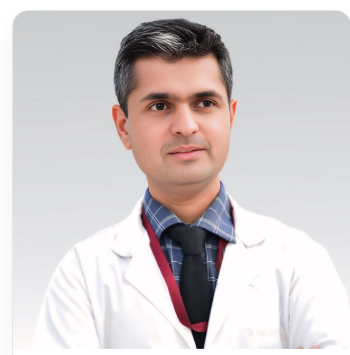
For glaucoma assessment and long-term management, Dr. Charudutt Kalamkar’s approach emphasises careful history-taking, accurate diagnosis, patient-centred counselling and evidence-based planning. His primary clinical focus includes cataract and refractive surgery, glaucoma and neuro-ophthalmology. For other specialised conditions, the SGVEH network coordinates appropriate department and specialist allocation after examination, so that treatment is planned by the relevant expert.
Consultation in Raipur, Chhattisgarh
A structured consultation can clarify what the symptom means, which tests are needed and whether care is led by Dr. Charudutt Kalamkar or coordinated with another SGVEH specialist. Patients visiting from Raipur, other cities in Chhattisgarh or outside the state can use the WhatsApp, call or email options on this page to share the concern and preferred appointment time.
Key takeaways
- Symptoms can overlap, so a diagnosis needs an eye examination.
- Sudden vision change, severe pain, injury and neurological warning signs need urgent attention.
- Treatment is individual and may include observation, medicines, spectacles, procedures or specialist referral.
- Bring previous reports and a clear symptom timeline to the consultation.
NEXT STEP
Need guidance for this concern?
Share the symptom, history and preferred time with the team. The message will identify this article automatically.